
Introduction
In a world increasingly polarized by conflict and environmental degradation, the voice of St. Francis of Assisi, encapsulated in his “Canticle of the Creatures,” serves as a profound reminder of our interconnectedness with creation and the call to pursue peace and justice. We aim to invite people of goodwill to consider their role in fostering a more harmonious world, rooted in the values of compassion, stewardship, and universal fraternity.
The Canticle of the Creatures
The “Canticle of the Creatures not only exemplifies the Franciscan love for nature but also highlights the essential harmony that should exist between humanity and the environment. St. Francis’ vision transcended mere reverence; it became a call to action. He urged believers to see creation as a tapestry woven by God, where every creature plays a role and deserves respect.
Ecology: The Divine Mandate
The ecological teachings of St. Francis are perhaps more relevant today than ever. The degradation of the environment, climate change, and the loss of biodiversity call for urgent action. The Canticle of the Creatures resonates deeply with the modern ecological movement, urging individuals to care for creation as a reflection of their faith. Pope Francis, in his encyclical “Laudato Si’,” has invoked the spirit of St. Francis in addressing ecological crises. This document serves as a call for dialogue and action. It challenges us to rethink our relationship with nature and emphasizes that the malaise affecting our planet is interconnected with issues of social justice and economic disparity.
Peace and Dialogue: Bridging Divides
At the heart of Franciscan spirituality lies the commitment to peace and dialogue. St. Francis himself was a pivotal figure in promoting peace during times of great conflict, notably through his outreach to the Sultan of Egypt during the Crusades. His example encourages us to seek understanding and reconciliation rather than division. In today’s context, peace-building calls for multifaceted approaches—dialogue among religions, cultures, and nations is essential in fostering an environment where peace can flourish.
The JPIC Commission exemplifies these principles through its commitment to fostering peaceful coexistence, advocating for human rights,
Our initiatives not only focus on environmental stewardship but also on creating spaces for dialogue, where diverse communities can come together to share their experiences and perspectives.
The Role of the JPIC Commission serves as a beacon for those inspired by the teachings of St. Francis, particularly concerning the pressing issues of ecology and social justice. Our work encompasses promoting various programs:
1. Educational Initiatives: Teaching and organizing workshops and seminars on environmental ethics, grounded in the Franciscan tradition, aimed at educating communities about sustainable practices.
2. Community Engagement: Promoting outreach projects, that can empower local communities to actively participate in environmental conservation efforts and advocate for justice, aligning with the universal call to care for our common home.
3. Interfaith Dialogue: Recognizing the importance of collaborative efforts, the JPIC engages in interfaith dialogues that celebrate diversity while addressing common challenges concerning peace and environmental sustainability.
Fostering a Culture of Peace and Justice
As people of faith, it is imperative to cultivate a culture that embodies the principles of peace and justice exemplified by St. Francis. Here are several ways we try to engage in this movement:
1. Promoting Environmental Stewardship Encouraging our fraternities, schools and parishes to adopt sustainable practices. Initiatives such as community gardens, recycling programmes, and local clean-ups align with our Franciscan principles of caring for creation.
2. Inspiring Dialogue and Creating spaces for dialogue within our communities, schools and parishes. Discussing local and global issues from a standpoint of understanding and compassion, fostering a greater awareness of the interconnectedness of all creation.
3. Acting on Social Justice Align with groups and organizations that advocate for the marginalized. Acts of service, whether locally or globally, reflect a commitment to justice and peace.
4. Praying for Peace Regular prayers for peace and the protection of creation unify our spirits and intentions. Inspired by the “Peace Prayer of St. Francis,” these prayers can become a communal practice that strengthens faith and fellowship.
5. Engaging in Advocacy. Advocate for policies that support ecological initiatives and social justice at local, national, and global levels. Awareness and active participation in advocacy can lead to significant change.
The Interconnection of Ecology, Peace, and Dialogue
In examining the topics of ecology, peace, and dialogue, one finds an intricate web that connects St. Francis’ teachings and the mission of the JPIC. Each element influences and supports the others: –
Ecological stewardship is rooted in understanding that we are all part of a greater creation. –
Peace stems from the recognition of our shared humanity and our responsibility towards one another and the environment.
Dialogue paves the way for mutual respect and understanding among diverse communities, fostering a culture of empathy and action. This triad creates a foundation for a just and peaceful world. When embraced collectively, they form a profound testament to the life and teachings of St. Francis, urging us all toward a deeper commitment to love and serve both creation and each other.
In the spirit of the “Canticle of the Creatures,” we are called to re-evaluate our relationships—with God, with each other, and with our environment. The lessons imparted by St. Francis and the ongoing efforts of JPIC remind us that we have a role in renewing our world, fostering peace, and championing justice for all of creation. As we navigate the complexities of the modern world, let us draw inspiration from the humble beginnings of our faith and work together towards a future that embodies the message of the canticle—a harmonious existence that respects and protects all that God has created.
The Canticle of the Creatures: A Reflection on Peace, Dialogue, and the Integrity of Creation
The Place of the Canticle in Our Lives
For many, the Canticle of the Creatures serves as a daily reminder of our stewardship over the earth. It encourages us to appreciate the beauty of creation and to live harmoniously within it. In my own life, I find solace in its verses, which remind me to approach the natural world with reverence and gratitude. The prayer’s call to see God reflected in the sun, moon, and stars challenges me to adopt a mindset that honours the integrity of creation, recognizing that every element of nature holds inherent value.
The Relevance of the Canticle Today with the challenges the world faces—extreme weather events, loss of biodiversity, and social injustices—the relevance of the Canticle is more pronounced than ever. It challenges us to consider how our actions reflect our commitment to a just and peaceful world. The essence of the prayer goes beyond mere words; it calls us to embody its spirit through our choices, fostering a greater awareness of the environment and our role within it.
Understanding Integrity of Creation Integrity of creation today requires us to acknowledge the delicate balance of our ecosystems. This principle speaks to the interconnectedness of all life, highlighting the moral responsibility we have as caretakers of the earth. Integrity implies that creation is not just to be used for our benefit but respected as a sacred gift. For me, it signifies an urgent call to act and advocate for sustainable practices that honour our planet and promote ecological justice.
The JPIC commission’s Role in Justice, Peace, and Integrity of creation
The Franciscan Order as a whole and through its JPIC office and commissions in each Province aims to embody a unique approach to combining justice, peace, and the integrity of creation. Grounded in the teachings of Saint Francis, who emphasized simplicity, humility, and service to the marginalized.
By promoting environmental stewardship alongside social justice, they create a holistic understanding of peace that goes beyond mere absence of conflict—cultivating harmony amongst people and nature alike. In my own journey within the Franciscan life, I have strived to live out these values daily. Through community outreach, educational initiatives, and sustainable practices, I have attempted to integrate the principles of the Canticle into every aspect of my ministry.
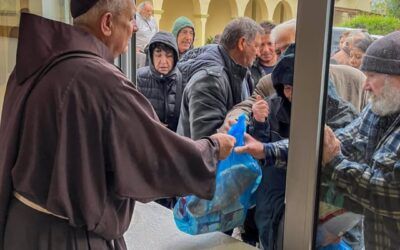
In Rhodes, we friars participate in local conservation efforts, advocate for social justice, and create opportunities for dialogue amongst diverse community groups. Our work with migrants and refugees is continuous and essential.
The Custody of the Holy Land: Commitment to Integrity of Creation in the Holy Land, the Custody plays a pivotal role in fostering the integrity of creation. Through various programmes, we promote sustainable agricultural practices, advocate for environmental awareness, and engage in interfaith dialogues focused on shared values surrounding creation. These efforts are crucial, especially in a region marked by conflict, where the sanctity of land often becomes a point of contention. Yet, there is always more to be done.
The Custody of the Holy Land could enhance its commitment by expanding education in our 19 Franciscan schools on environmental issues and fostering community involvement in these efforts. By facilitating workshops and dialogues that address not only environmental challenges but also the underlying social issues, the Custody can lead by example in creating sustainable and peaceful communities.
Creation as a Factor for Peace
In the Middle East, where emergencies are often perceived as primarily political or social, it can be challenging to view respect for creation as a pathway to peace. However, the environment is indeed a shared denominator that transcends ethnic and religious divisions. By uniting diverse communities around common goals of sustainability and ecological justice, respect for creation can be a powerful catalyst for dialogue and peacebuilding. To those of us who cherish this Holy Land, I recommend practical daily actions to embody the spirit of the Canticle. This might include simple acts such as practicing gratitude for the environment, engaging in local clean-ups, supporting sustainable businesses, and advocating for policies that protect our natural resources. (Water is crucial). Each of these actions contributes to a collective atmosphere of justice, peace, and a shared respect for creation.
In conclusion, as we reflect on the teachings of Saint Francis through the Canticle of the Creatures, we are called to a deeper commitment to peace and dialogue. The work of the Custodial JPIC Commission exemplifies this spirit as it seeks to bridge gaps amongst communities through shared values and ecological practices. By advocating for the integrity of creation as a cornerstone of our collective mission, we not only honour Saint Francis’ legacy but also forge a path towards a more just and peace-filled future. Let us carry forth the message of the Canticle in our hearts, allowing it to guide our actions and inspire others to join in this essential work for our beloved world.