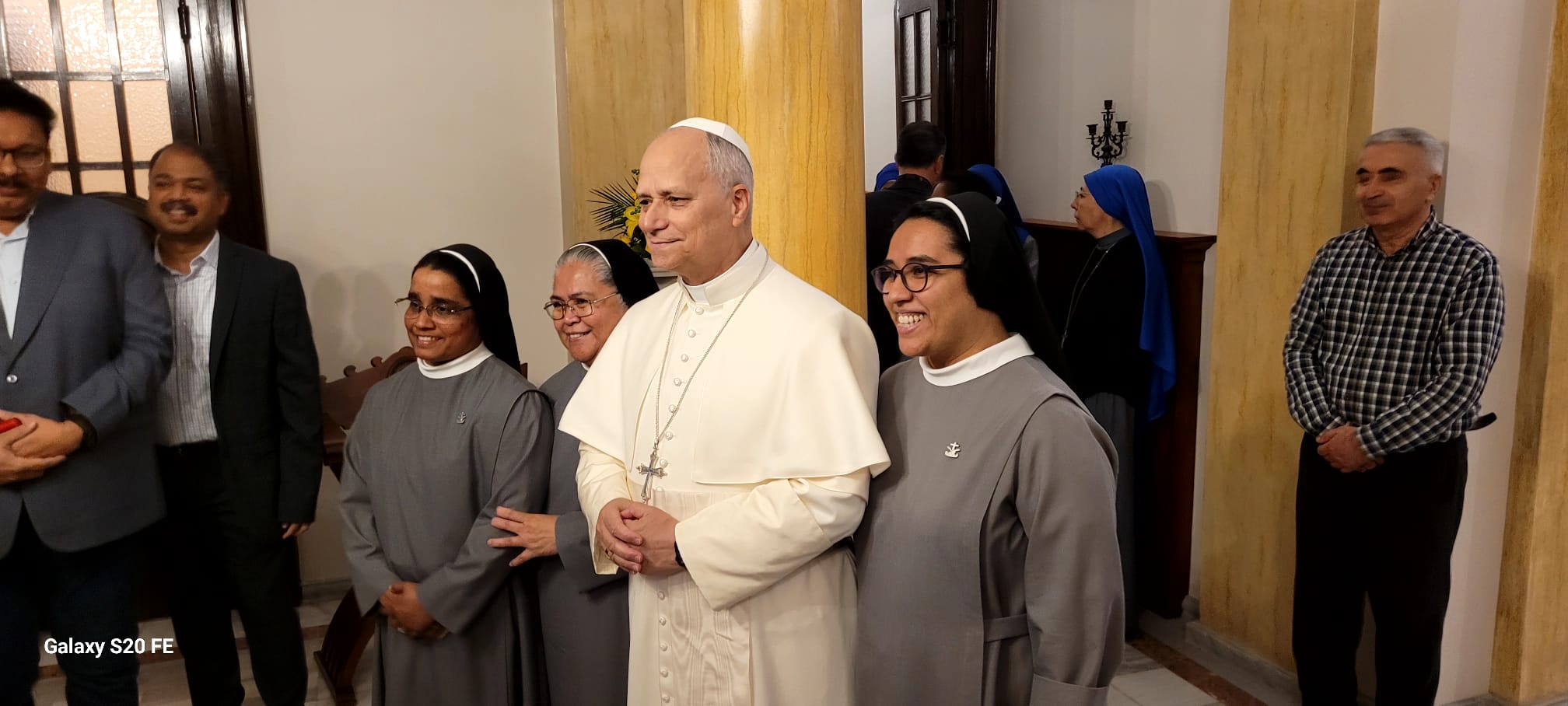
For the Franciscan Network of the Mediterranean: the Pope’s message
Some practical keys for our mission in the Mediterranean, especially regarding migrants, young people, dialogue and peace.
The guiding thread is very clear: “One in Christ, united in mission.” Leo XIV insists that mission is born from communion, and that conflicts, polarisation, misunderstandings and mutual distrust weaken Christian witness. On the contrary, what is needed are “reconciled hearts, eager for communion.”
Key points for the Franciscan Network of the Mediterranean
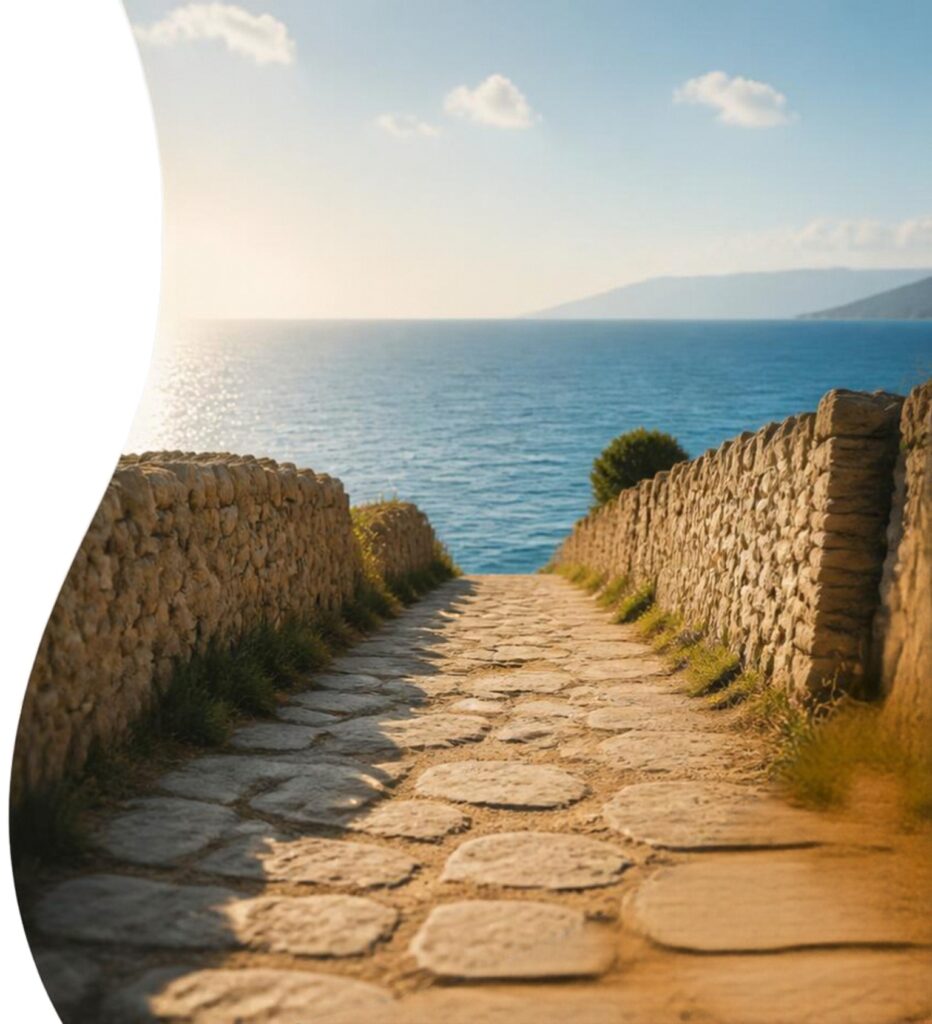
1. The Mediterranean as a place of relationship, not merely a place of crisis.
For us, this is fundamental. We are accustomed to speaking about the Mediterranean in terms of wars, migration, borders, deaths at sea, poverty and religious conflicts. The message instead invites us to begin from communion. Our mission should create relationships where divisions exist: between peoples, cultures, Churches, religions, migrants and local communities. The Pope explicitly states that unity does not mean uniformity, but rather the convergence of different charisms and concrete collaboration.
2. Migrants are not merely recipients of mission: they become part of the mission.
This is a point that I would develop strongly within the Network. If “no baptised person is a stranger or indifferent to the mission” and everyone participates according to their own state of life, then we must move beyond a model in which we help and the migrant receives.
The question should become: what does the migrant bring to our communities? What experience of God, what culture, what wound and what hope do they carry with them? Migrants can become protagonists, witnesses and builders of fraternity.
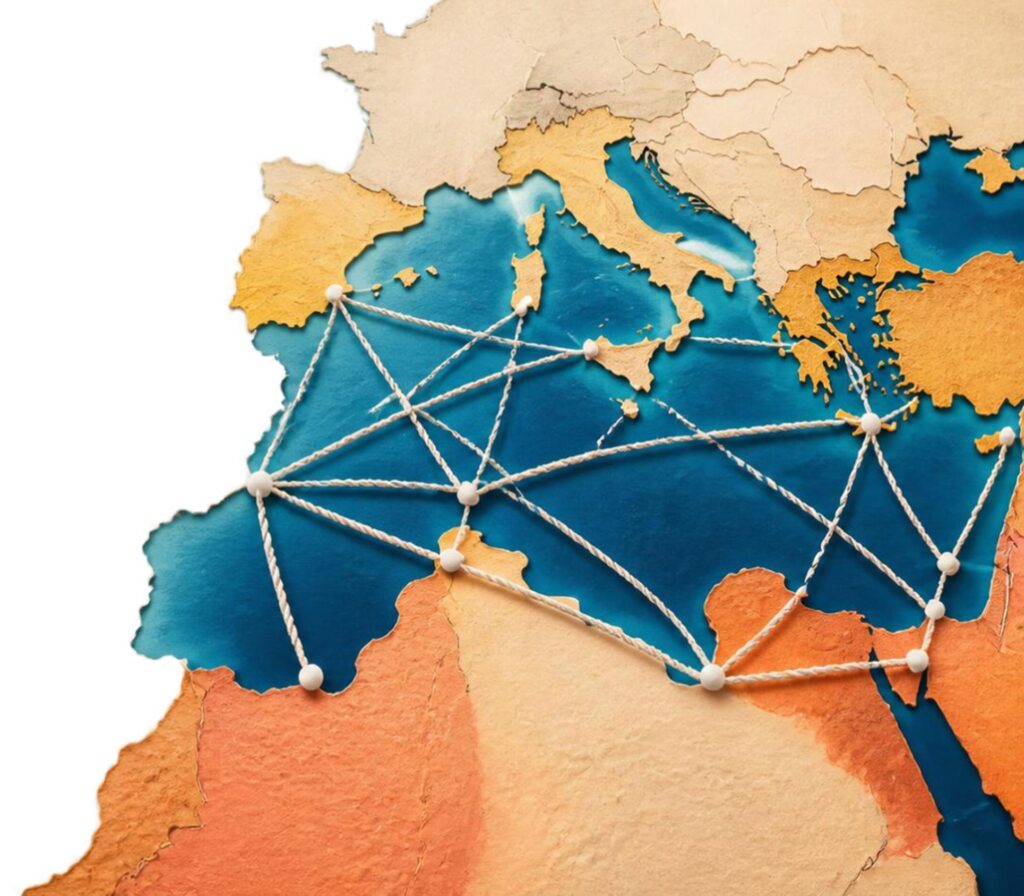
3. With young people: not merely activities for them, but mission together with them.
The Pope explicitly asks for the gift of young people and adults willing to follow Christ in mission. For the Network, this could translate into a concrete choice: bringing together young people from the different shores of the Mediterranean, not only young Catholics or Europeans. Creating spaces where a young person from Türkiye, Lebanon, Italy, Africa or Latin America, whether Christian or belonging to another religious tradition, can encounter the other not as a problem but as a person.
Here I also see the Franciscan method very clearly: meeting one another, listening to one another, experiencing something together, and then acting together. Peace is not taught to young people only through conferences; it is learned by experiencing the other.
4. Dialogue: embracing diversity as a richness.
One sentence from the document is particularly suited to the Network: we are called to “welcome diversity as a richness” and to “bear one another’s burdens.”
In the Mediterranean, this takes on a very concrete interreligious dimension. Dialogue cannot simply be a theological dialogue among specialists. It must become shared everyday life: Christians and Muslims working together for people who are poor; young people of different religions meeting one another; communities welcoming migrants together; people of different faiths defending human dignity together.
5. Peace: first be reconciled, then speak about reconciliation.
In my view, this is one of the most demanding points of the message. We cannot build peace in the Mediterranean if our own communities carry rivalries, nationalisms, cultural or religious prejudices. The Pope directly links mission with “reconciled hearts.”
For a Franciscan network, this means asking ourselves: are we truly a network of fraternity, or merely a network of projects? We can organise countless initiatives for peace, but if we do not learn to listen to one another and collaborate across different realities, our witness loses its strength.
6. From fragmentation to networking.
The Pope explicitly speaks of the need to overcome “the fragmentation of efforts” and invites ecclesial realities to find “concrete paths of collaboration.”
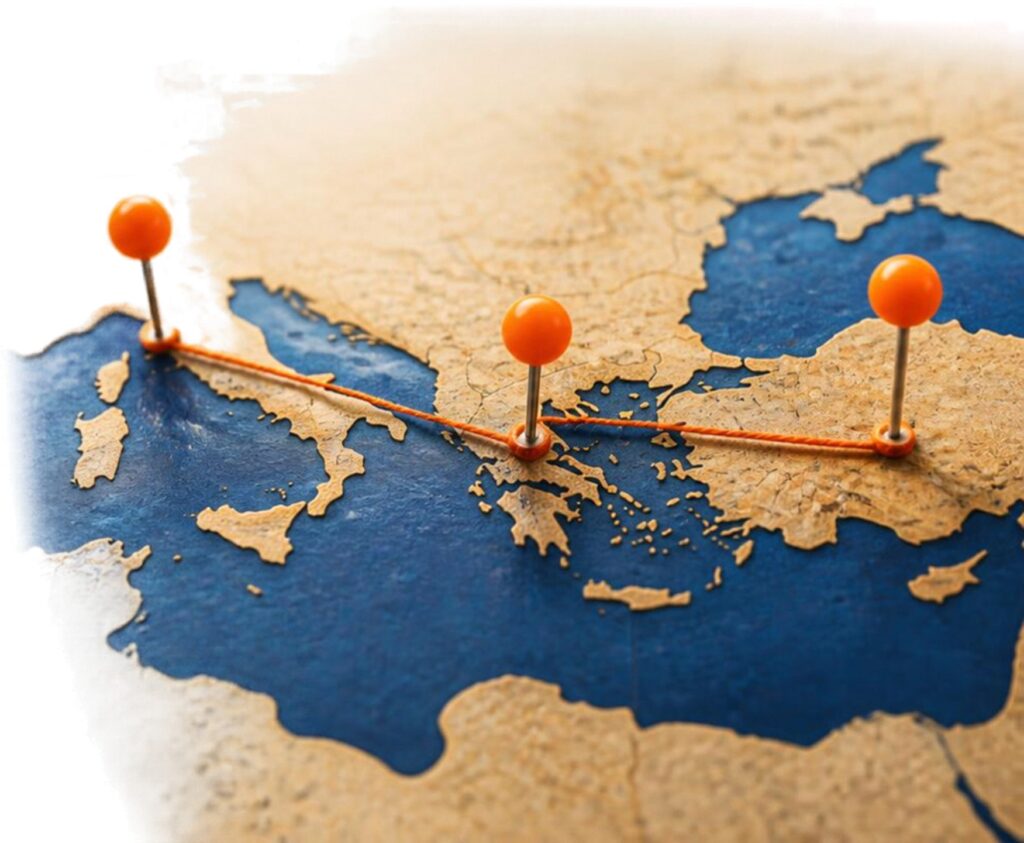
This could almost serve as an examination for the Franciscan Network of the Mediterranean: not necessarily to multiply new projects, but to connect what already exists. Those working with migrants in Türkiye should know those doing so in Greece, Italy, Lebanon, Spain or North Africa; those accompanying young people should be able to connect those young people with one another; those working in interreligious dialogue should share experiences, difficulties and good practices.
7. The mission of love: the criterion for evaluating everything.
The third part of the document is perhaps the most Franciscan: “If unity is the condition of mission, love is its substance.” The Pope also recalls Saint Francis: “Love is not loved.”
This gives us a very concrete criterion: a project of the Network is valuable not simply because it is well organised, international or visible, but if it generates relationships, restores dignity, brings separated people closer together and makes God’s love concretely present.
A synthesis you could present to the group
I would condense everything into four Franciscan verbs for the Mediterranean:
- Welcome — the migrant not as a problem, but as a person and protagonist.
- Encounter — especially young people, creating real opportunities for people from different cultures and religions to get to know one another.
- Reconcile — transforming our communities into laboratories of dialogue and peace.
- Connect — moving from many isolated initiatives towards a genuine Mediterranean network of fraternity.
And I would end with a question rather than a conclusion:
If the Mediterranean is today crossed by so many borders, what can the Franciscan Network concretely do so that at least one of these borders becomes a place of encounter?