Barcelona, 9–12 June 2026
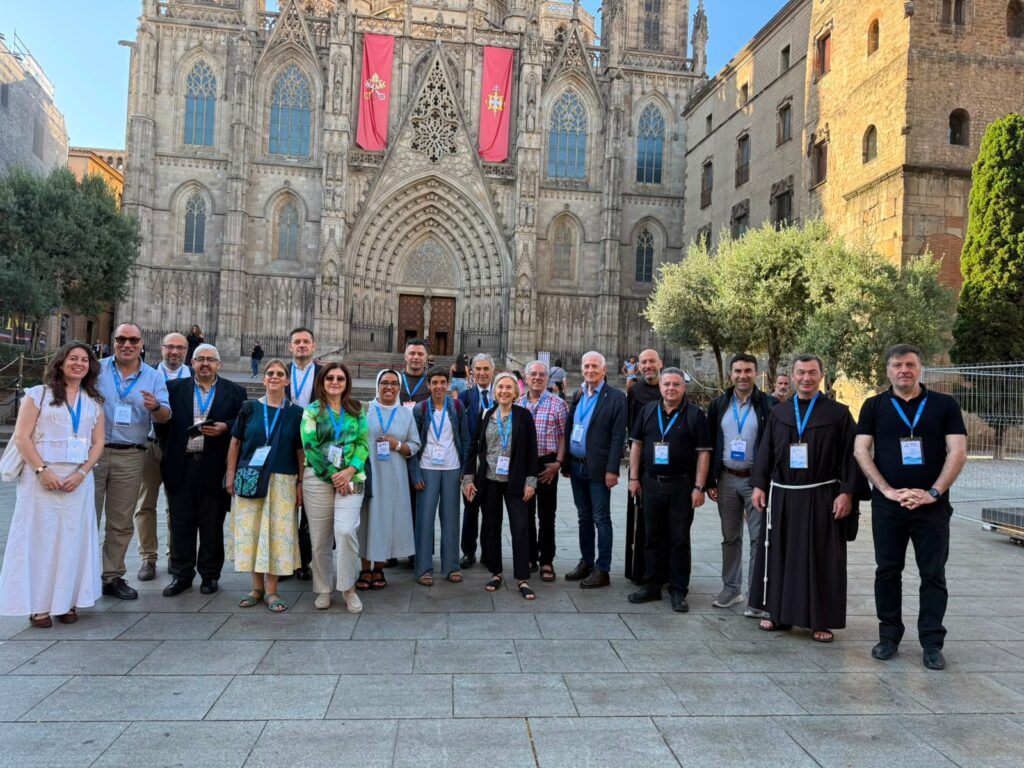
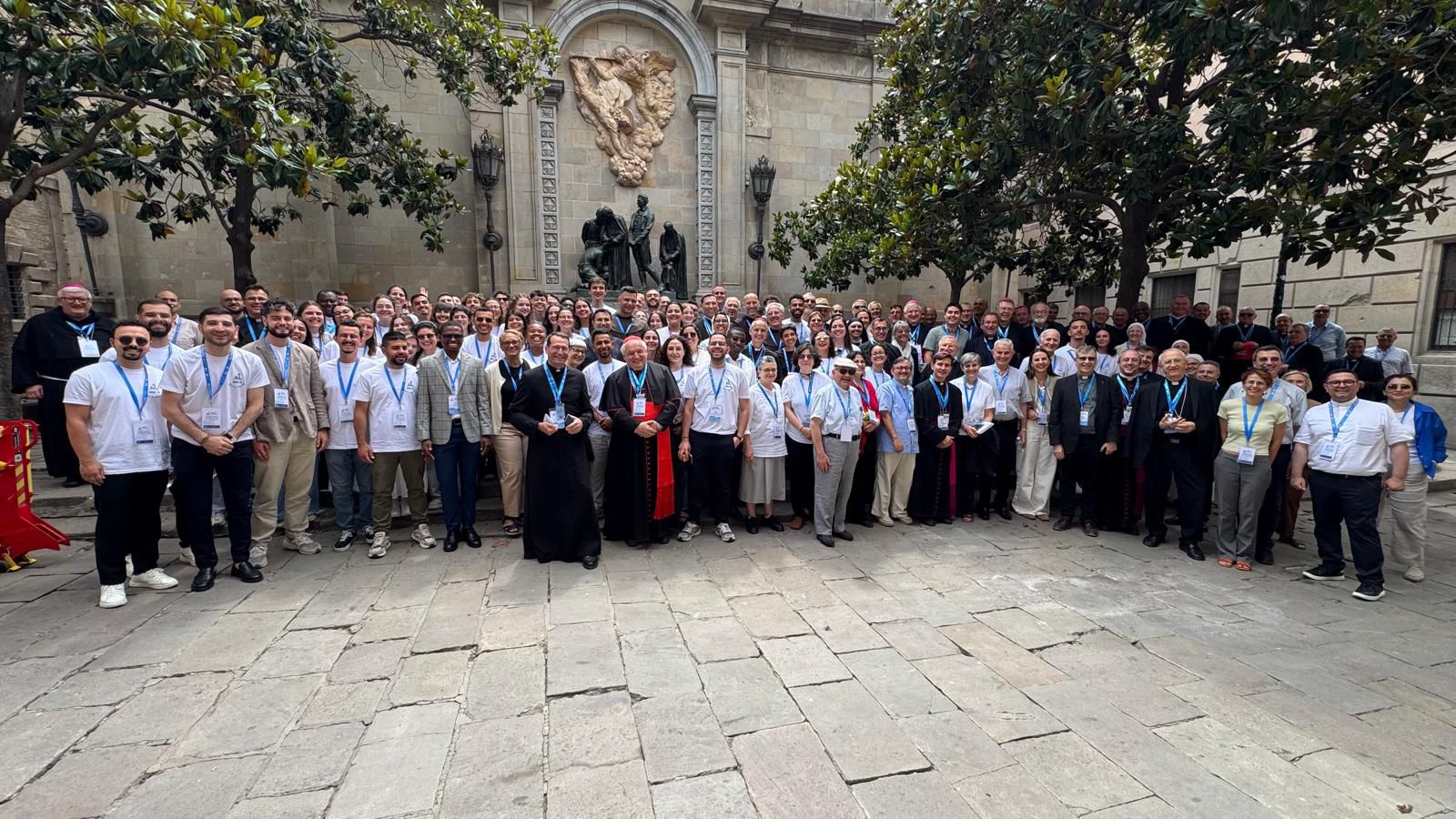
The MED26 – Mediterranean Encounters brought together more than 200 participants from 25 countries across the Mediterranean basin, including bishops, young people, theologians and representatives of civil society organisations, with the shared objective of strengthening dialogue, cooperation and peacebuilding throughout the region.
Held during the Apostolic Visit of Pope Leo XIV to Spain, the meeting continued the process initiated in Bari, Florence and Marseille, further consolidating a platform for reflection and collaboration among the Churches of the Mediterranean and a wide range of civil society partners.
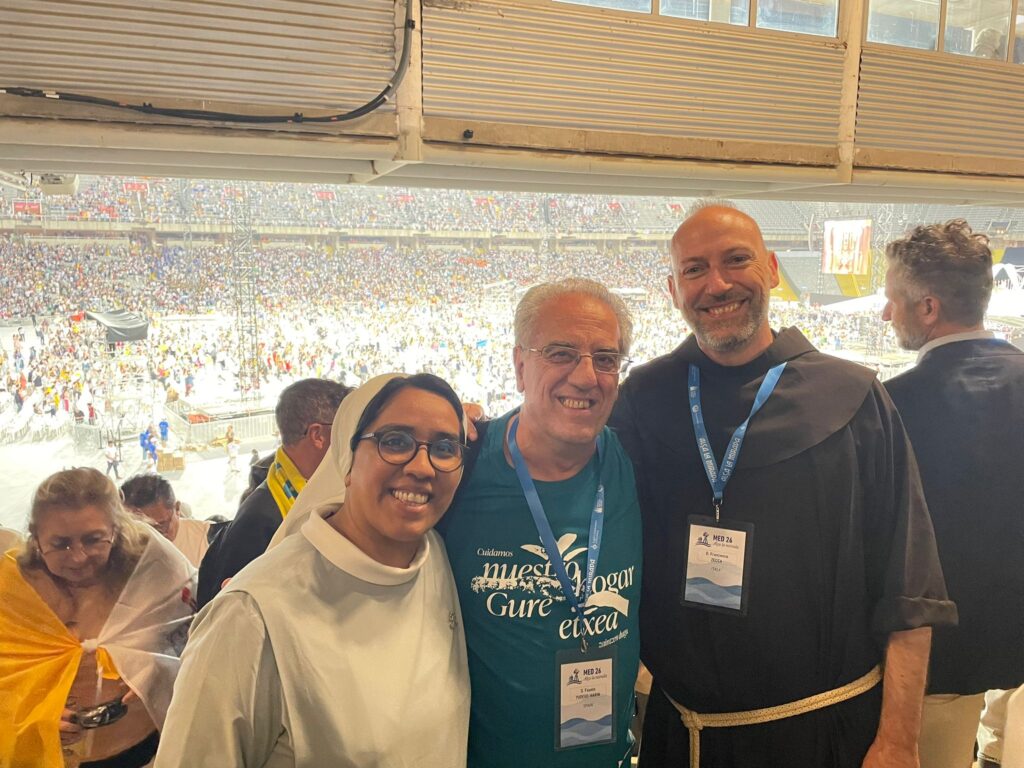
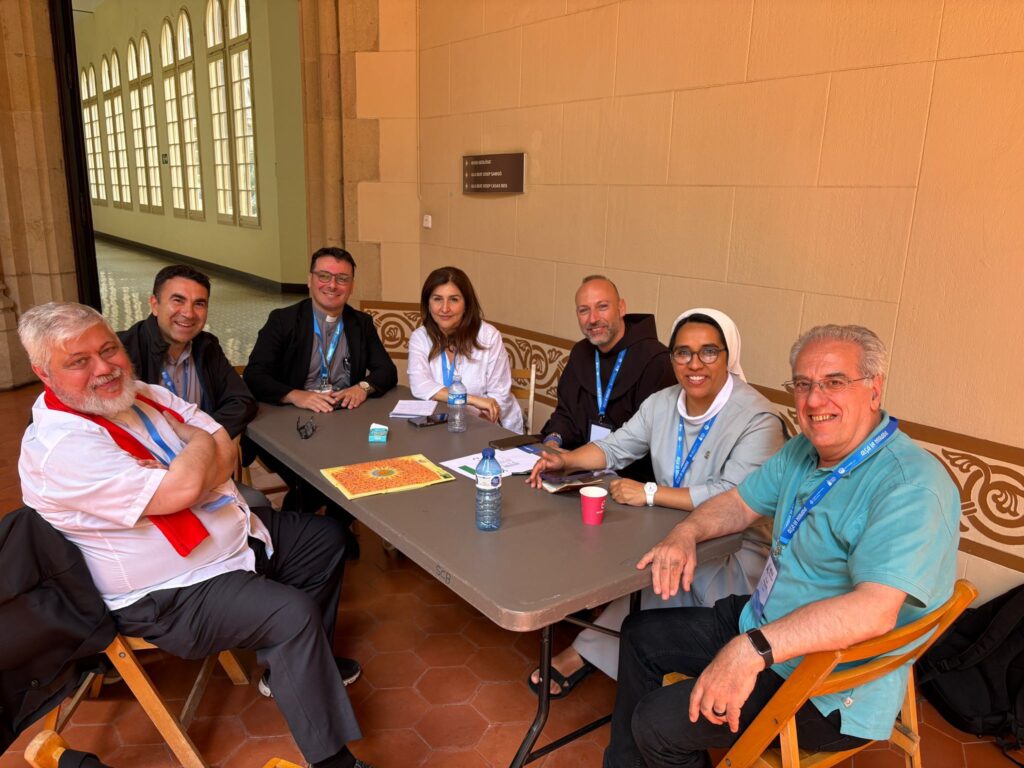
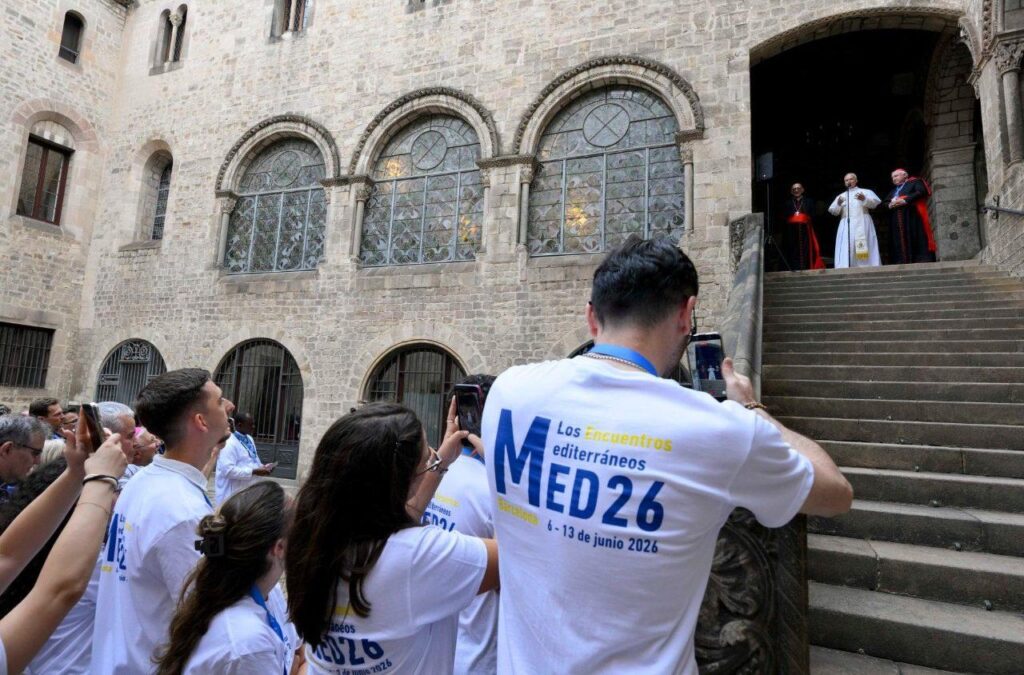
Throughout the working sessions, participants addressed the major challenges facing the region, including migration, peacebuilding, intercultural and interreligious dialogue, ecological justice, and the participation of younger generations in both ecclesial and social life.
One of the meeting’s principal outcomes was the adoption of the Barcelona Declaration 2026, which establishes a common roadmap for strengthening cooperation among the Churches of the Mediterranean. The Declaration calls for promoting the Mediterranean as a “Sanctuary of Encounter”, advancing sustainable models of welcome and integration, reinforcing the shared responsibility of young people in pastoral processes, and fostering a coordinated response to the environmental and humanitarian challenges affecting the region.
The Declaration also reaffirms the importance of dialogue among the Christian, Jewish and Muslim traditions as an essential instrument for promoting peaceful coexistence, countering hate speech and strengthening a culture of peace.
Youth participation was one of the defining features of the meeting. Through the Mediterranean Youth Council (MYC), young delegates presented a series of proposals aimed at enhancing youth participation in pastoral decision-making, promoting a culture of hospitality, and developing initiatives to raise awareness of and monitor the human rights situation along Mediterranean migration routes.
MED26 also promoted several areas of cooperation in the humanitarian, academic and pastoral fields, including the development of humanitarian reception corridors, social theology education programmes, and collaborative networks linking dioceses and ecclesial organisations. These initiatives form part of a shared programme of work that will continue to be developed through the coordination mechanisms established by the participating institutions.
The meeting concluded by reaffirming the shared commitment of the Churches and participating organisations to continue working for a Mediterranean understood as a space of encounter, solidarity, justice and fraternity among peoples, while strengthening regional cooperation and promoting common responses to the social, humanitarian and environmental challenges of today.