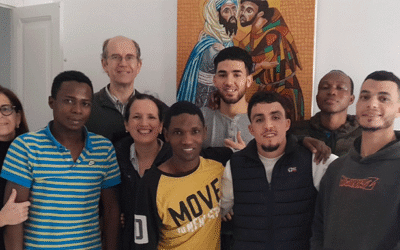
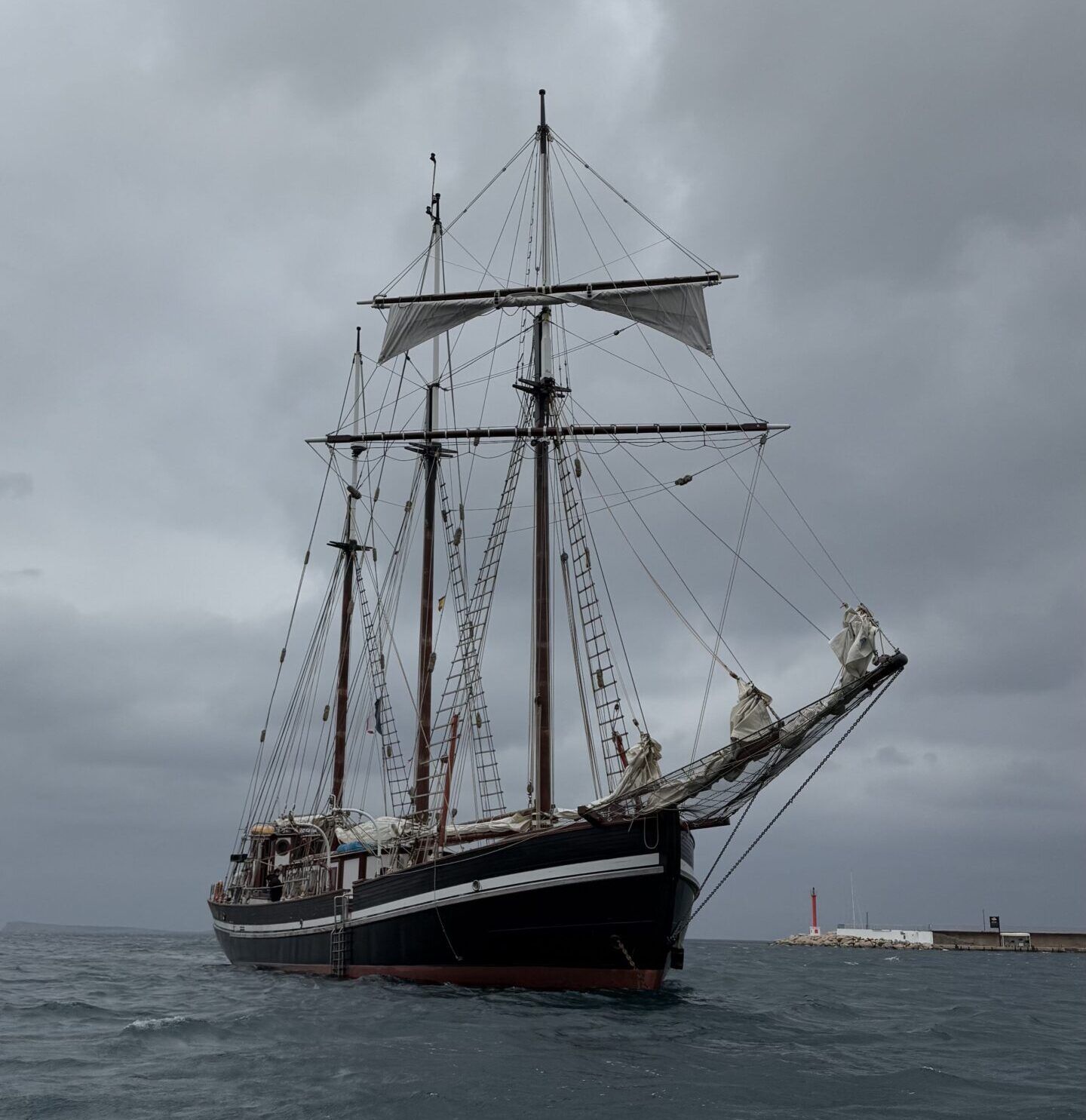
From March 1 to 15, a group of 20 young people from 14 nationalities across the five shores of the Mediterranean sailed its waters to share across cultural and religious diversity. They did so because they refused to accept that this Mare Nostrum should become only a battlefield or a graveyard. They are convinced that the Mediterranean also inherits a joyful memory—that its history, forged through coexistence and exchange, rich in philosophical and spiritual traditions, holds the keys to reconciliation among peoples, cultures, and religions. They became aware that, all around the Mediterranean, men and women of goodwill are already carrying out countless initiatives in favor of human dignity and the unity of the human family.
The plan for this first stage of the Belespoir project included five days of sailing to arrive in Ceuta on March 11. However, due to very stormy weather, the captain of the sailboat told us we had to arrive by March 8 at the latest. This meant sailing day and night to reach Ceuta by 9 a.m. on the 8th—just half an hour before fierce wind and rain began.
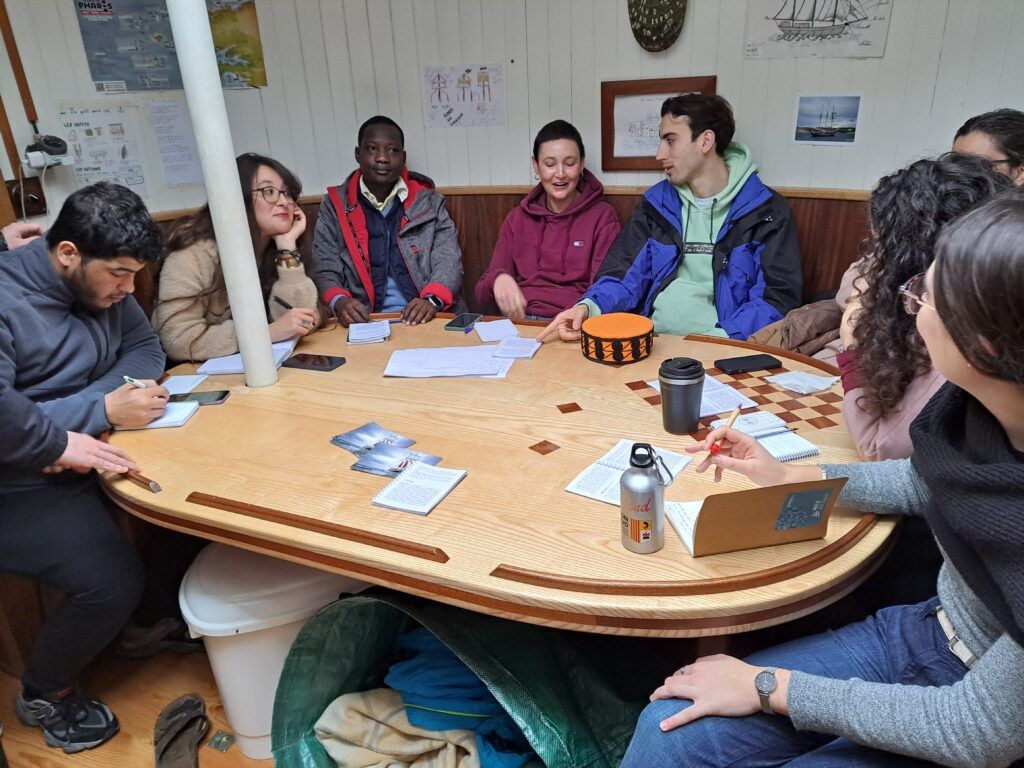
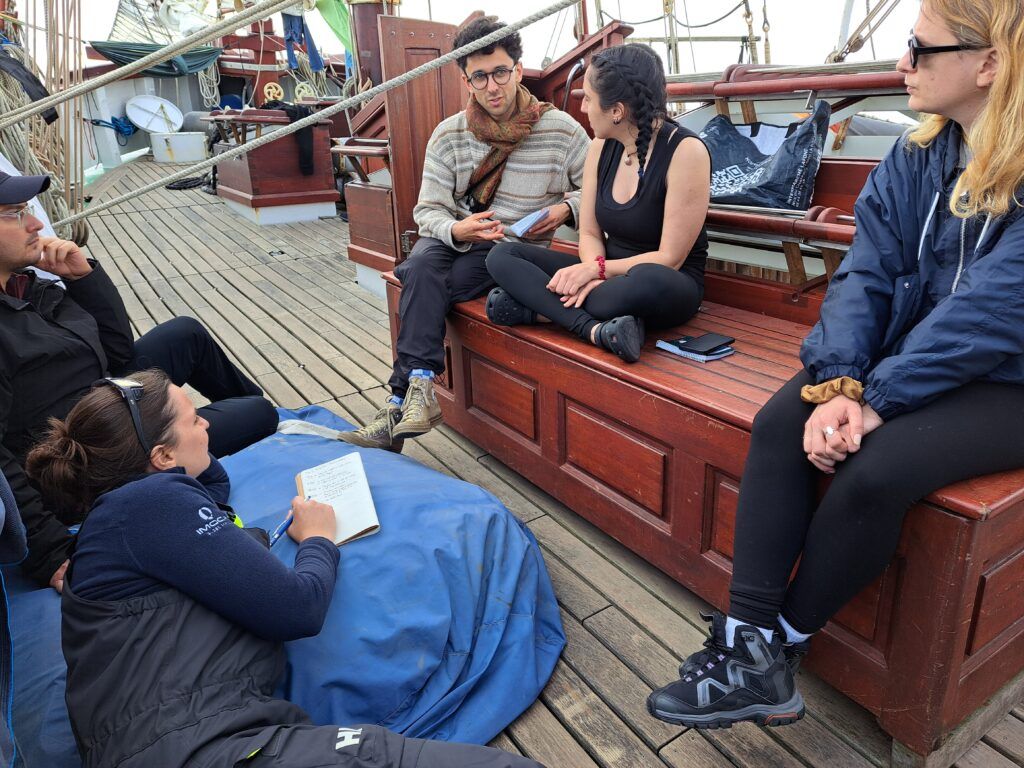
All the days we were docked in Ceuta were marked by stormy weather with strong winds and rain. However, arriving early turned out to be positive, as it allowed us to conduct the “Teamtime” (group work) sessions more calmly than if we had still been at sea.
The youth group consistently embraced the challenge of face-to-face encounters and building “fraternity in diversity” to protect themselves from the double deadly threat of indifference and radicalism. They witnessed how, through this shared experience on a small sailboat, it was possible to foster fraternity and share stories and cultures, helping to overcome prejudice and fear. They began rebuilding relationships through the promotion of dialogue and the pursuit of peace through nonviolence, knowing that we belong to one human family—a realization that allows us to transcend the differences inherent in our great diversity.
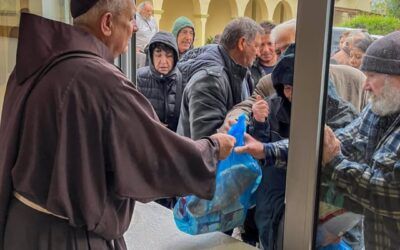
Starting March 11 and 12, we continued with the planned program for Ceuta: visiting the Mosque, Hindu Temple, Synagogue, and Shrine of Our Lady of Africa; breaking the Ramadan fast (Iftar) with the Muslim community each evening; and working with groups from the four communities in the city’s Library. On the 13th, we crossed the border to reach Tetouan (Morocco), where we had a guided tour through its various neighborhoods, were welcomed by the Franciscan Fraternity, and met with various Moroccan groups—Muslims and Sub-Saharan migrants—at the Lertxundi Cultural Center. The day included a lecture by a Muslim university professor on dialogue, followed by group work, Christian and Sufi prayer through singing, and a shared Iftar in the Franciscan garden, before returning to sleep on the boat in Ceuta.
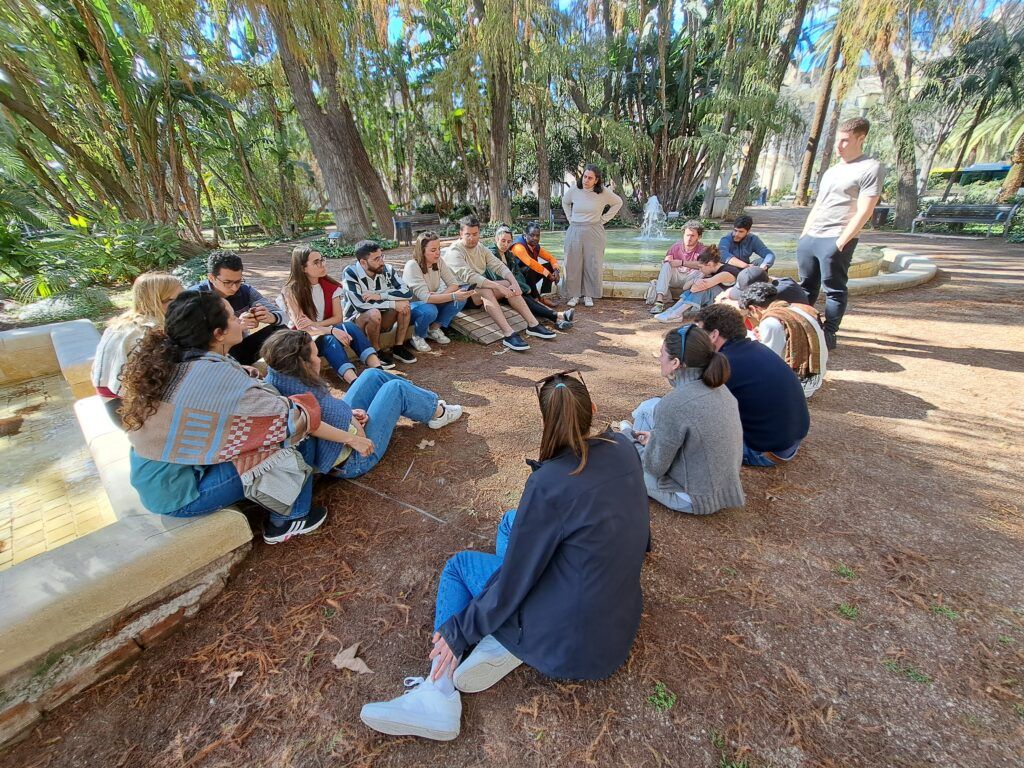
From Ceuta, we sailed to Málaga as the final stop of the journey. There, we made the most of the sunshine and the park near the port to share, in small groups, everything we had worked on during the journey and each participant’s personal experience. We gathered all of this as part of the creation of a “white book” which, at the end of the eight routes of this “odyssey,” will bring together the experiences of all eight groups and itineraries of young participants. This book will serve as a result of the Med25belespoir project, and at the same time, each of the young people will be “seeds” of encounter, dialogue, and commitment to peace in their respective countries, cultures, and religions.
Here are some brief testimonies from the group:
Sylvia, Egypt: “When we have a supportive environment—like the Belespoir sailboat—we’re given a safe space to speak and share our beliefs, knowing that this doesn’t happen overnight; it takes time, and we must let go of black-and-white thinking.”
Ruzica, Bosnia: “I traveled the Mediterranean without physically visiting many places. Instead, I found many cultures in one space: the boat. This was incredibly enriching. A key lesson was active listening. First we listened, then we reflected. To understand something, we must be willing to learn. Knowledge is essential for cultural dialogue and for recognizing both our differences and similarities.”
Hélène, France: “At first, I felt like we were filtering our words, trying to say the ‘right’ things. But over time, those filters disappeared, and we really listened to each other with respect and acceptance. I realized the Mediterranean is a crossroads of history, religion, and tradition, and we share a common spirit. Deep down, we’re all the same—that’s why we became friends. For me, cultural dialogue is not about erasing differences but recognizing and respecting them; letting go of our clichés. The Mediterranean is not a barrier—it’s common ground.”
Erblina, Kosovo: “I realized that among all the differences in the Mediterranean, the most significant one is mindset: the level of awareness about diversity, inclusion, acceptance, and understanding. The most realistic and challenging goal is to build a culture of active listening, respect, and openness. Dialogue isn’t just about talking—it requires listening, understanding, and thoughtful response. Accepting that we aren’t always able to communicate effectively is the first step toward growth. If we acknowledge our limitations in listening and understanding, then there is hope for real dialogue.”
Alessia, Italy: “When I arrived, I didn’t have a clear idea of what intercultural dialogue really meant. I thought it was simply about speaking and listening. For me, intercultural dialogue is like a house made of essential bricks, which are: listening, encounter, openness, relationships, personal growth, differences and similarities, discovery, acceptance, effort, beauty, and wonder.”
Sarah, Romania: “The foundation of cultural dialogue is experience. The boat was the perfect stage for this because at sea, there’s nowhere to hide: we are forced to be vulnerable while recognizing that deep down, we are all human beings. We all share the same fundamental emotions: hope, fear, love, and the need to be loved—what truly matters and unites us.”
Job, Catalonia: “This journey reaffirmed my belief that beyond religion, true connection happens through sharing and love. I believe in a ‘revolution of love’: only through love can we create real change. Each of us brought something unique, helping each other grow and become better versions of ourselves.”
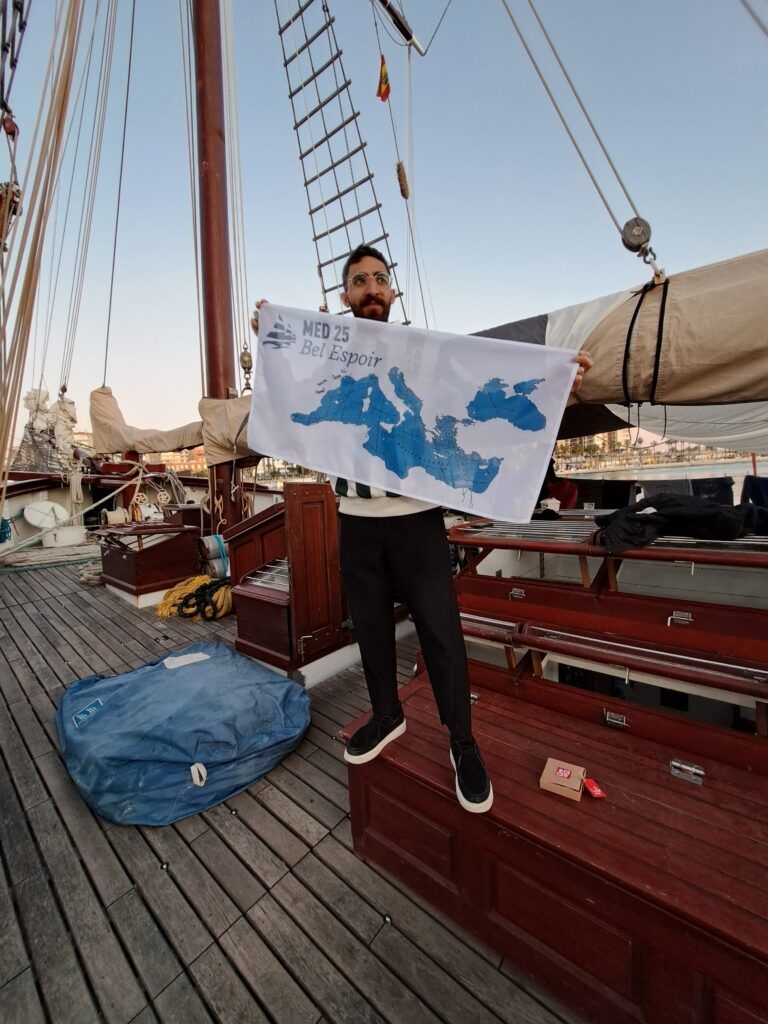
Daniel, Palestine: “I felt a deep connection with everyone here. Thank you for listening to our story from Palestine. On the boat, I shared everything without fear—but in my country, I would be afraid. Here, I felt peace. Thank you for everything.”
Luis, Albania: “The world needs more initiatives like this—especially for young people—opportunities to truly get to know one another, to understand peace, human rights, and equality. True success means improving society, not just ourselves.”
Frank, Tunisia: “Dialogue is for those who are willing to grow, who seek enrichment through exchange. To do this, we must cultivate knowledge—knowing that we can nurture our minds, our sense of peace, our capacity to love, and many other values—but it requires discipline, patience, learning, and active listening.”